Atiku Abubakar’s petrol subsidy gambit, by Rotimi Fasan
 SKAiF NewsNG SNN
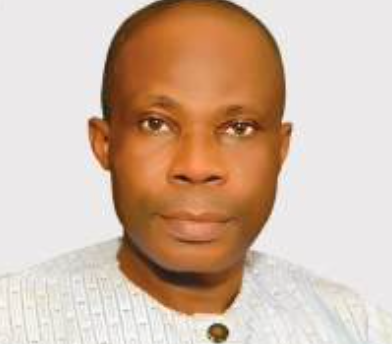
Former Vice President and African Democratic Congress’ presidential candidate, Alhaji Atiku Abubakar’s claim to the limelight in the immediate aftermath of the commencement of the campaigns for the 2027 presidential election has proven to be temporary after all. He seemed to have galvanised the public imagination in a sudden burst of energy. It was as if he was waiting for that moment to turn the direction in which the political tide appeared headed in the last two years. Atiku’s moment in the sun had been triggered by the perennial presidential candidate’s harebrained campaign pitch to return the subsidy on petrol. It was like the magic word everyone dissatisfied with the All Progressives Congress-led government had been waiting for. Atiku seized the moment and was not about letting go even as many more Nigerians are waking to the reality of life away from the hypnotism of his seductive words.
I have called his promise harebrained not because Nigerians cannot do with some relief in the cost of transportation. God knows we could all do with more money in our pocket or less pressure on it by way of risen costs of goods and services. Rather, I thought Atiku’s promise was not only the typical politician’s lie to lure the unwary. It was a dangerous gambit with the potential to mislead Nigerians who have been beleaguered in the last three years of the APC-inspired economic reforms, to yield to the false hope of economic redemption by a political messiah. That would even be the Biblical kind of hope that could be deferred only to make the heart sick. The Atiku hope would be permanently in abeyance. It would take far more from the people than it could ever give in return, given its potential to stir social upheaval when its emptiness becomes clear as it is bound to.
Atiku Abubakar was with that mirage of a promise bent on doing worse than a failed salesman and a confidence trickster rolled into one. The economic landscape of which Atiku Abubakar spoke so casually with his promised return of subsidy on petrol has been so dramatically transformed in the last three years that anyone hoping for the fulfillment of that promise would need to reimagine another world. Atiku is in a new world but his rhetoric has left him trapped in an era that is three years removed from the present. Were his vision in alignment with the reality of the times, then would he have realised, not a minute sooner, that there was a Petroleum Industry Act already in place that has given statutory backing to the removal of petrol subsidy.
It effectively ceded operations in that sector to the vagaries of economic forces, however disruptive those might be to the fiduciary status of Nigerians. Fuel subsidy removal is now a matter of the law and no longer at the discretion of anyone. It would be infringing the law to do anything else and a new president, as Atiku or anyone else who could be proclaimed president after January 16, 2027, would need to be in full control of the National Assembly to be able to reinstate fuel subsidy in the manner Atiku’s words boast. But in promising to return it, Alhaji Atiku Abubakar stole the limelight for one good week and provided something more than a mere conversation starter.
It was a totally unexpected and counterfactual move, which was why it seized the headlines and appeared to have thrown Abuja out of its complacency. Now, it is demanding more of the states and offering additional palliatives to Nigerians. Atiku Abubakar’s message was aimed at upending the apple cart, targeted as it was at the vulnerable poor of the north. It was not for nothing that the interview in which he dropped this bunker-bursting bomb of a promise was through a Hausa-language medium. Northern Nigerian politicians have perfected the art of delivering such bombshells through vernacular mediums and typically the radio, that ubiquitous equipment that the most impoverished northerner possesses. Not even the itinerant Fulani herder goes without one.
The latest move is a variation of what Atiku Abubakar did at the commencement of campaigns for the 2023 election. Then he reminded northerners not to forget their own son in preference for others. The north should vote a northerner, he demanded. His latest pitch was a subtle attempt at ethnic appeal, framing the Bola Tinubu economic reforms as a deliberate attack on the northern poor. It is the very message the likes of Hakeem Baba-Ahmed of the PRP have been retailing even as he hides behind the veneer of rallying the opposition for a pan-Nigerian front against President Bola Tinubu as opposed to the APC. He has repeated the call in a recent interview in which he claims another four years for Bola Tinubu would destroy the north. Yet, the northern poor have been brought to where they are by the northern politician who elevated corruption to the level of an art and excluded the majority of ordinary northerners from the benefits of formal as opposed to religious education, social and economic empowerment and gender inclusion.
The result of this failure is what the region harvests today as banditry, kidnapping and the ethnic and sectarian unrest that has brought the north to its knees. It is the grim harvest from these decades of political failure and irresponsible governance that politicians like Hakeem Baba-Ahmed and others in the Northern Elders Forum and the Arewa Consultative Forum want to blame on a three-year-old government. A government that was forced by circumstances to embrace economic reforms that are gradually bringing the country back on its feet. Alhaji Atiku Abubakar is desperate to be president and is without any coherence to his message, especially as to how he would implement and fund his planned return of petrol subsidy, adding more promises to the promises cart. He would open the borders, he has promised, for the free flow of badly needed food. But we all know that the borders were actually closed by the Muhammadu Buhari administration and had been opened for at least three years now.
Even the president’s age as well as his academic records and records of his so-called FBI investigation playing out in US courts have been thrown up for conversations. Atiku Abubakar has promised to show proof that Tinubu is ninety years old and is presumably too old to be president. The president himself seems to be enjoying the drama from the sidelines. Is he keeping his gunpowder dry? It is, perhaps, evidence of his confidence that Atiku Abubakar is on a failed mission that he has taken the beginning of the campaigns to embark on a three-week vacation to Europe and God-knows-where else. The game is obviously yet to start!
The post Atiku Abubakar’s petrol subsidy gambit, by Rotimi Fasan appeared first on Vanguard News.