AFCON 2025 Observatory: Jersey You Can’t Buy – Why African football is leaving billions on the table
 SKAiF NewsNG SNN
By Sola Fanawopo
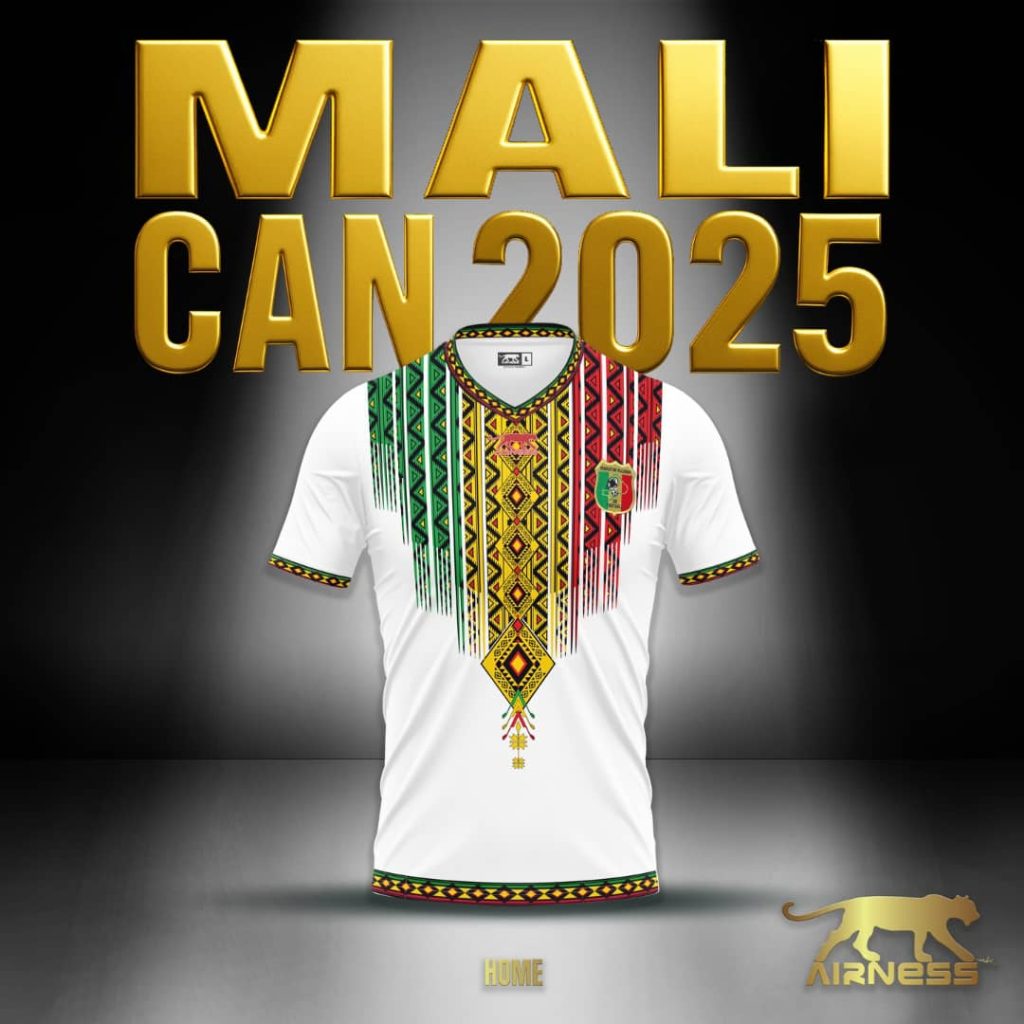
One of the quiet joys of the Africa Cup of Nations (AFCON) is discovering football as culture. It is more than tactics or results; it is identity. This year in Morocco, I fell in love with the Malian national team’s home jersey. Produced by Airness, it is a confident, colorful, and unapologetically African kit, predominantly white with heritage-inspired detailing. Naturally, I wanted to buy it.
But I couldn’t.
Everywhere I turned, airports, fan zones, street markets, there was only one shirt on offer: Morocco’s.
The absence of jerseys for Mali, Cape Verde, Angola, or even Nigeria tells a story far bigger than any match report. It is the story of a billion-dollar industry left on the table.
Policy, Not Luck: The Morocco Model
Morocco’s dominance of the jersey market during AFCON 2025 isn’t just “host advantage.” It is a deliberate strategy. The Moroccan federation treats football kits as national merchandise, not ceremonial clothing. Production is planned months in advance, distribution is coordinated, and availability is constant. In Rabat and Casablanca, the shirt isn’t an afterthought; it is national policy.
Most African federations simply do not think this way.
The Tragedy of the “Invisible” Kit
The unavailability of the Malian jersey isn’t a design failure; it is a governance failure. The Malian Football Federation, like many of its counterparts, does not operate football as a retail ecosystem. Kits are produced in limited quantities, released too late, and distributed narrowly to players and officials.
Football is built on emotion. Much like
Manchester City fans will never forget the iconic Agüero goal, AFCON fans live for the immediate connection of a tournament run. If a fan cannot buy a jersey at the peak of that emotion, the sale is gone forever. African football repeatedly misses its “Agüero moments” at the cash register.
The Myth of the “Brand Problem”
It is fashionable to blame global giants like Nike, Puma, or Adidas for this scarcity, but that ignores the structural core. From a manufacturer’s perspective, Africa presents three major hurdles:
Weak Infrastructure: Inconsistent sales data and fragmented retail networks.
Intellectual Property: Poor enforcement against counterfeits.
Lack of Strategy: A vacuum of year-round planning from federations.
The result? African teams are treated as branding showcases, worn, photographed, and quietly withdrawn, rather than serious consumer markets.
Sponsorship vs. Partnership
Most federations negotiate kit deals as one-off sponsorship arrangements rather than commercial partnerships. They chase immediate cash and surrender their most valuable retail rights. By failing to include retail clauses, digital sales requirements, or local licensing strategies, they force their own fans into a painful irony: African fans often have to import their own national identity back from shops in London or Paris.
CAF’s Silent Blind Spot
While CAF has made strides by launching an official store for AFCON 2025, the tournament remains a commercial vacuum for individual nations. Eight retail points in Rabat are not enough. To fix this, CAF should mandate:
Multi-Country Hubs: Retail centers at every venue representing all participating nations.
Centralized Digital Stores: A unified e-commerce platform for all 24 teams.
Merchandising Standards: Minimum retail requirements as a prerequisite for tournament entry.
The Bottom Line
Africa produces world-class footballers, world-class designs, and world-class passion. Yet, in 2026, a fan still cannot reliably buy the shirt of the team they love. The “Jersey You Can’t Buy” is a symbol of wasted potential. If African football cannot sell its own shirts, it will continue to struggle to sell its future
Sola Fanawopo Chairman Osun State Football Association
The post AFCON 2025 Observatory: Jersey You Can’t Buy – Why African football is leaving billions on the table appeared first on Vanguard News.