Ado Doguwa warns of “Blood and Tears” — but his Asiwaju cap tells another story, by Emmanuel Aziken
 SKAiF NewsNG SNN
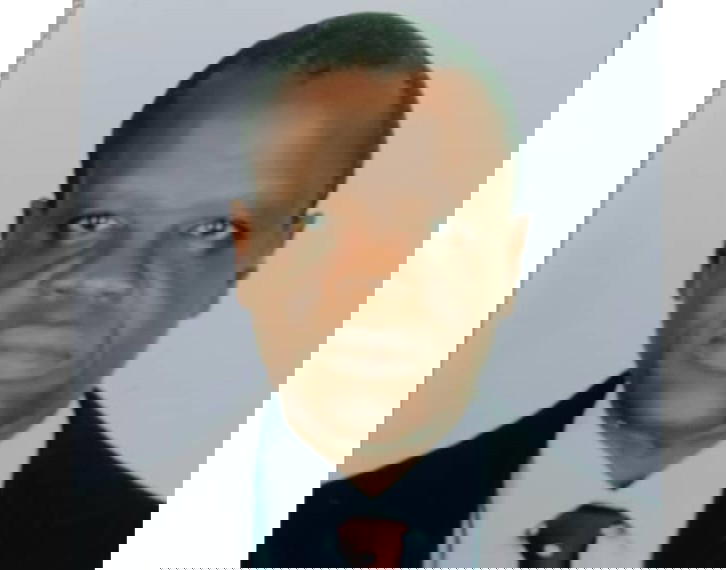
One of the most articulate men to have passed through the House of Representatives in the Fourth Republic, Alhaji Alhassan Ado Doguwa, again demonstrated his mastery of parliamentary rhetoric last Tuesday as lawmakers debated the worsening insecurity in the country. A former journalist turned politician, Doguwa has walked a path as colourful as it is controversial, but his gifts with words have never been in doubt.
Many still remember his theatrical moment in 2020 when he marched into the chambers with his four wives, proudly announcing that they had collectively produced 27 children for him. He declared then that he was not only powerful in the chambers but equally powerful at home. Since that dramatic display, however, his brood has expanded by only one more child — a fact some wags now mischievously attribute either to “falling power” or the shrinking economy finally catching up with him. Whatever the case, Doguwa returned to his familiar form last Tuesday.
On the floor of the House, he spoke with a passion that could easily have been mistaken for opposition fervour. His words cut sharply:
“Mr. Speaker, we can even declare legislative emergency. Close the House, shut it up. Who are you legislating for? What laws are you making when the country is running in blood? The country is running in blood and tears.”
It was a piercing intervention — but the moment he delivered it with his signature Asiwaju cap firmly on his head, the contradictions became obvious. Social media commentators were quick to pounce: how does one lament the failures of the same government whose emblem he proudly wears? But beyond the theatrics and symbolism, Doguwa’s lamentations betrayed three deeper failures — failures of his party, his legislature, and, ultimately, of his political class.
1. The APC Has Failed to Present a Coherent Governing Vision
The first and most glaring failure is that of his party, the All Progressives Congress, APC. Since taking power, the APC has struggled to articulate any coherent ideological position or policy framework to lift Nigeria from the decline it finds itself in. Party organs at national, zonal, and state levels barely function. Meetings are rare, if not non-existent. The only activity the party seems capable of executing consistently is endorsing incumbents — whether presidents or governors — without interrogation, debate or policy scrutiny.
A ruling party without a governing philosophy inevitably breeds a government without a compass. Doguwa’s outburst, therefore, is as much an indictment of his party’s emptiness as it is of Nigeria’s worsening insecurity.
2. The National Assembly Has Abdicated Its Constitutional Role
The second failure Doguwa inadvertently highlighted is that of the National Assembly itself. The 10th Assembly has earned — with little resistance — the tag of the most supine legislature of the Fourth Republic.
A National Assembly that controls the purse, confirms appointments, and has the power to summon any public official should not be in the business of complaining about insecurity. It should be interrogating military budgets, demanding accountability from service chiefs, and forcing transparency in defence spending. It should be reviewing failures in intelligence gathering, tackling corruption in procurement, and reshaping security policy through lawmaking.
Instead, the legislature has chosen the path of timidity, docility, and self-preservation. Rather than confronting the executive, many lawmakers prefer photo opportunities, foreign trips, and ceremonial statements with no binding effect. Doguwa’s call that the House should “shut down” only reinforces the perception of a legislature running from its duty rather than confronting it.
3. The Personal Failures of Lawmakers Who Put Self Before Service
The third and most stinging failure is personal — a failure of lawmakers who have elevated self-interest above service.
At a time when the nation groaned under a devastating foreign exchange crisis, members of the National Assembly approved for themselves N160 million each to purchase imported SUVs. In choosing foreign vehicles over locally manufactured alternatives, they worsened the FX crisis, undermined local industry, and displayed a level of insensitivity that shocked even their supporters.
A legislature that refuses to sacrifice cannot credibly demand sacrifice from the executive. A parliament obsessed with personal comfort cannot convincingly speak about national pain. Doguwa, despite his articulate lamentations, is part of this collective misjudgment.
The Point Doguwa and His Colleagues Missed While Doguwa delivered his intervention with the flair he is known for, he and those who echoed his sentiments missed the real point. In other democracies, national emergencies trigger intense legislative engagement. Lawmakers do not abandon chambers in frustration; they are recalled from recess to take urgent positions that the executive must respond to. They call emergency hearings, compel disclosures, rewrite budgets, reorganise security structures, and assert constitutional pressure until results appear.
The worst response in a crisis is legislative retreat. If the country is “running in blood and tears,” as Doguwa eloquently put it, then the correct reaction is not to shut down the House but to sit longer, sit tighter, sit harder — and force the executive to act.
Nigeria does not need dramatic declarations. It needs a legislature willing to confront the executive, challenge the military establishment, demand transparency, and legislate solutions, not lamentations.
Doguwa spoke well — but he fell short of speaking truth to his own institution and to himself. The insecurity ravaging the country is not just a failure of the executive; it is a failure of oversight, of legislative courage, and of political will.
Until lawmakers like Doguwa recognise that leadership is not measured by passionate speeches but by institutional action, the country will continue to wobble from crisis to crisis.
Nigeria needs legislators who will not run from responsibility — but run toward it.
The post Ado Doguwa warns of “Blood and Tears” — but his Asiwaju cap tells another story, by Emmanuel Aziken appeared first on Vanguard News.