8 hidden powers of the Nigerian Senate President you probably didn’t know
 SKAiF NewsNG SNN
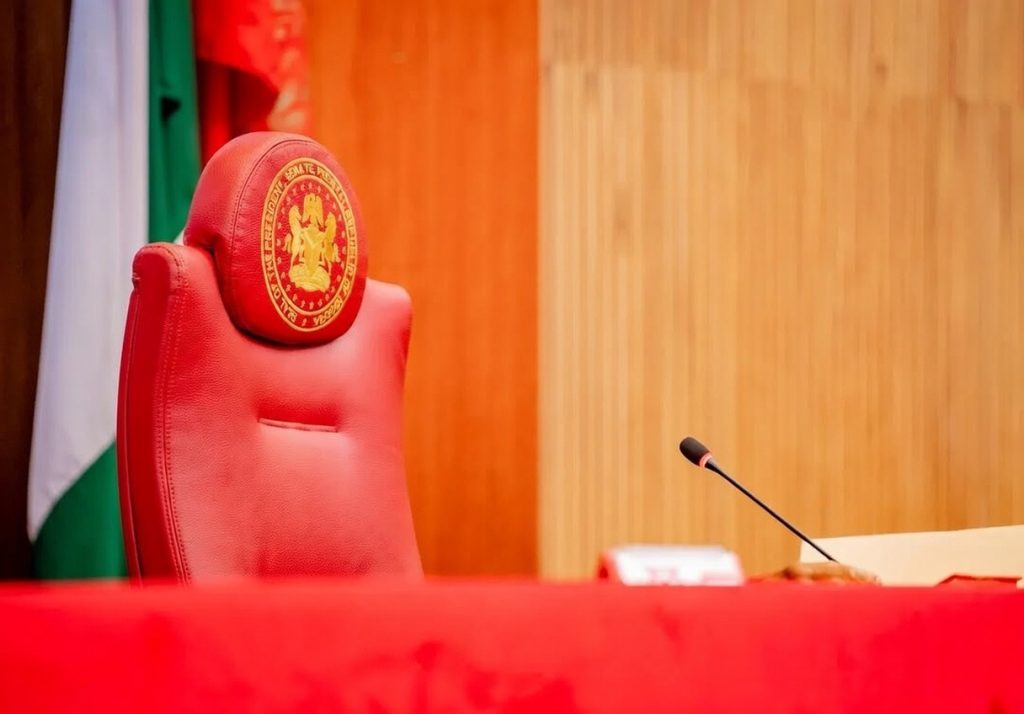
The Senate President of Nigeria is often seen as the third most powerful office in the land—after the President and Vice President. While everyone knows the role includes presiding over plenary sessions and signing bills, several lesser-known constitutional, statutory, and practical powers make the office far more influential than most Nigerians realize. Here are eight hidden (or under-discussed) powers of the Senate President.
Automatic Membership of the National Security Council
By virtue of Section 83(1) of the 1999 Constitution (as amended), the Senate President is a statutory member of the National Security Council. This gives the holder direct access to classified security briefings, influence over national security strategy, and a seat at the table when major decisions on insurgency, terrorism, banditry, or foreign threats are made—powers rarely highlighted in public discourse.
Power to Summon the President (Indirectly)
Under Section 88 of the Constitution, the Senate (led by the Senate President) can summon any person or authority—including the President—to explain matters within its legislative oversight jurisdiction. While the President cannot be compelled to appear personally, the Senate President can trigger high-stakes public inquiries that force executive accountability.
Decides Who Becomes Acting President in Dual Vacancy
If both the President and Vice President are absent, incapacitated, or removed simultaneously, Section 146(2) vests acting presidential powers in the Senate President until a new election or replacement is made. This succession role is rarely discussed but carries enormous constitutional weight.
Veto Power Over Ministerial Nominees (Practical Influence)
While the Senate confirms nominees by simple majority, the Senate President controls the screening timetable, committee referrals, and floor debates. In practice, a determined Senate President can quietly stall or kill controversial nominations without a public vote—making the office a gatekeeper to the Federal Executive Council.
Chairmanship of the National Assembly Joint Leadership
As head of the National Assembly, the Senate President chairs crucial joint sessions with the House of Representatives (e.g., budget presentation, impeachment proceedings, constitutional amendments). This position allows the holder to set the agenda, control timing, and shape outcomes of matters requiring bicameral approval.
Control Over the Senate’s Standing Orders & Rule Interpretation
The Senate President has near-absolute authority to interpret the Senate Standing Orders and rule on points of order. This seemingly procedural power can determine whether a bill survives second reading, whether a motion is admissible, or whether a senator is silenced—giving the office de facto control over legislative flow.
Influence Over the Code of Conduct Tribunal & EFCC Probes
Through the Senate’s confirmation powers and oversight committees, the Senate President indirectly influences appointments to anti-corruption bodies and the Code of Conduct Tribunal. In politically charged cases, this leverage can determine whether probes against governors, ministers, or even rival politicians are fast-tracked or quietly buried.
Gatekeeper of Constitutional Amendment Threshold
Constitutional amendments require a two-thirds majority in both chambers and approval by two-thirds of state assemblies. The Senate President, as leader of the upper chamber, can shape the amendment agenda, decide which proposals reach the floor, and rally or block the required supermajority—making the office pivotal in altering Nigeria’s fundamental law.
These hidden powers show why the Senate Presidency is often described as “the second most powerful office in Nigeria.” The occupant does not only preside over debates—he shapes national security, executive appointments, legislative outcomes, succession, and even constitutional change, often behind closed doors.
The role may appear ceremonial on television, but its real influence runs deep into every major decision affecting Nigeria’s democracy and governance.
The post 8 hidden powers of the Nigerian Senate President you probably didn’t know appeared first on Vanguard News.