2027: Economist warns against dollarising political spending
 SKAiF NewsNG SNN
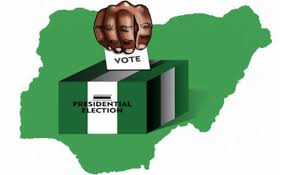
An Economist, Mr Paul Alaje, has warned that the use of United States dollars by politicians during the 2027 general elections could erode the gains recently achieved by the Central Bank of Nigeria (CBN).
Alaje said on Wednesday in Abuja that the CBN had done a great deal in stabilising the economy.
He warned politicians against using the United States dollar during the 2027 general elections.
Alaje, a Senior Partner at SPM Professionals, said this at a Business, Economy and Financial Reporting training organised by the Premium Times Training Academy in collaboration with the CBN.
He said that the use of foreign currencies in political campaigns and party activities had, over the years, weakened the naira, drained the country’s foreign reserves and undermined monetary policy efforts.
“My dear journalists, please, I want you to join me in this advocacy. Let us do everything possible to discourage politicians from sharing dollars during the 2027 election.
“All of the gains achieved by the Central Bank in the last two years will be eroded if this continues,” he said.
According to him, the use of dollars during election campaigns increases pressure on foreign reserves, weakens investor confidence, and fuels inflationary trends in the economy.
Alaje urged anti-graft agencies, particularly the Economic and Financial Crimes Commission (EFCC), to monitor political spending ahead of the elections and ensure that all transactions were conducted strictly in naira.
“Let the EFCC be involved and checkmate it. Do not spend dollars at all. We are not saying politicians cannot campaign, but they should do so in naira.
” That is the only way to protect our reserves and maintain currency stability,” he said.
He also appealed to the National Assembly and the Independent National Electoral Commission (INEC) to enact rules making it compulsory for all campaign and election expenses to be paid in local currency.
Alaje, who said he had tracked election spending since 1998, said that excessive dollar circulation during campaigns had consistently led to post-election economic instability.
He stated that the trend of dollarizing political spending had significantly contributed to the volatility of the exchange rate and post-election economic decline.
“In every election cycle since 1998, we have observed that the pre-election year records a high economic growth.
“But immediately after the elections, the economy begins to nosedive because of excessive dollar spending and depletion of reserves,” he said.
The economist warned that if the pattern continued into 2027, the country might lose the progress made under ongoing monetary reforms, leading to renewed currency instability.
Alaje also called for stronger enforcement of the Electoral Act 2022, which restricted campaign funding and prohibited foreign currency transactions for election purposes.
He said that curbing the use of dollars in political spending would help sustain the naira’s recent recovery, preserve the country’s external reserves and support the CBN’s efforts toward long-term economic stability.
The Senior Manager, Business and Partnerships at Premium Times Services Ltd., Mr Olayinka Lawal, said the programme was part of efforts to strengthen professionalism and ethics in financial journalism.
He stated that the partnership with the CBN reflected a shared commitment to enhancing the quality of economic reporting and ensuring factual, balanced, and insightful coverage of national financial issues.
The training, attended by economic and financial journalists, aimed to improve data-driven reporting and deepen their understanding of monetary and fiscal policies.
Vanguard News
The post 2027: Economist warns against dollarising political spending appeared first on Vanguard News.