1992: How power brokers tried to drag me back to Aso Rock — Gowon
 SKAiF NewsNG SNN
By Luminous Jannamike
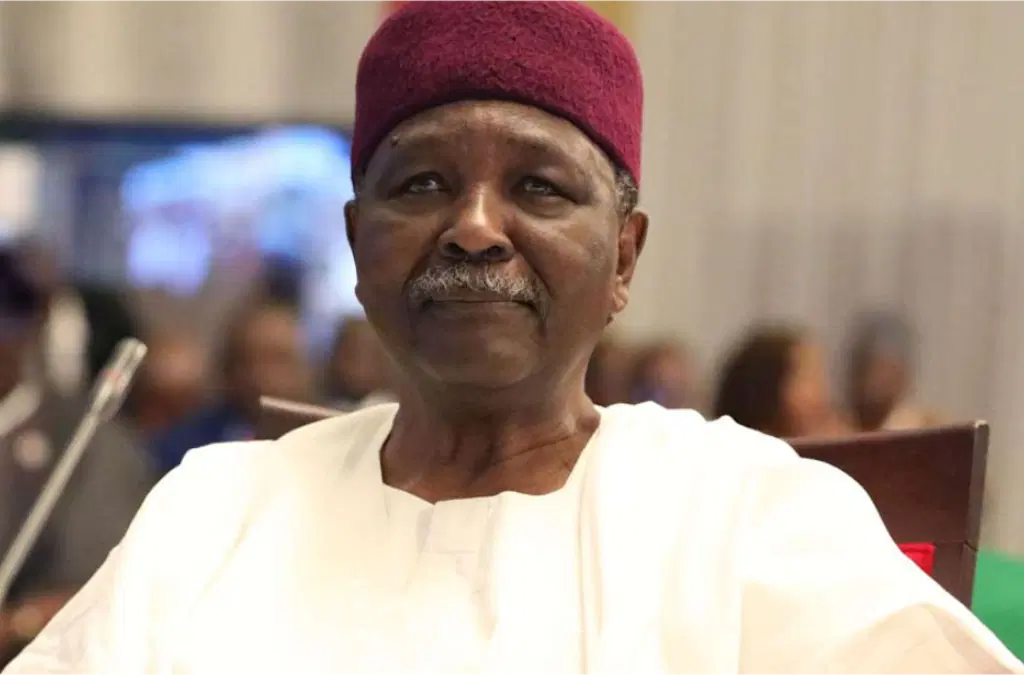
ABUJA— Former Head of State, Yakubu Gowon has revealed how influential northern politicians, businessmen and establishment figures persuaded him to join Nigeria’s fiercely contested 1992 presidential race during the transition programme of former military president, Ibrahim Babangida, a political journey that ended in intimidation, isolation and defeat at the grassroots.
The account, contained in Gowon’s autobiography, ‘My Life of Duty & Allegiance’, offers fresh insight into the intrigues, religious tensions and power struggles that shaped Nigeria’s troubled return to civil rule and fuelled long-standing suspicions that the military establishment was reluctant to fully surrender power.
“In 1992, I was lured and coaxed to join the race for the presidential ticket to Aso Villa,” Gowon wrote.
According to him, the pressure intensified after northern aviation magnate, Dan Kabo, and other political figures approached him in London, arguing that only a nationally acceptable candidate could steady the country’s tense political climate.
“I was invited by a group of people from the North of the country who felt I had what it took to rule Nigeria a second time,” he stated.
Gowon said the consultations gained momentum after the Babangida administration introduced the controversial Option A4 voting system under the military-created National Republican Convention and Social Democratic Party.
At first, he believed he enjoyed broad support across the North because of his years in office and his role after the civil war.
But he said it soon became clear that powerful interests within the political establishment were uncomfortable with his ambition.
His wife, Victoria Gowon, was among the first to lose confidence in the project.
“Victoria was, however, disenchanted with the way I was treated by the party leadership in Kaduna that she lost interest in the whole affair and decided to pull out of the campaign,” he wrote.
Gowon said she had been sceptical from the beginning and believed there was insincerity behind the calls for him to contest.
“In her view, the broad plan was to ridicule me,” Gowon stated.
The former head of state also revealed how religion became a major issue in the contest because he was seen in some quarters as a northern Christian candidate.
“Religion became a major factor with which my supporters, Christians and Muslims, were threatened with fate worse than death if they voted a Christian candidate,” he wrote.
He added that intimidation quickly spread to his polling agents during the NRC grassroots contests.
“My polling agents were seriously threatened and warned that their houses would be burnt,” Gowon stated.
Many of them, he said, became frightened but still tried to carry out their duties.
The memoir also painted the picture of a campaign weakened by broken promises and shifting loyalties.
Gowon disclosed that despite assurances that large sums had been approved for aspirants, he never received the money allegedly earmarked for his campaign.
“Beyond hearing that several millions of Naira had been expended, I never saw nor received any cash,” he wrote.
Instead, he said what eventually reached him personally was “a portmanteau full of babanriga and hula caps, which I appreciated.”
He also recalled moments of quiet humiliation during consultations with traditional rulers in the North, including what he interpreted as a snub by the Emir of Zazzau.
As the contest progressed, Gowon said the political atmosphere around him became increasingly hostile.
At another point in the memoir, he recounted how former military ruler, Olusegun Obasanjo, reacted sarcastically to news of his presidential ambition.
“What did Gowon forget in the State House?” Obasanjo reportedly asked.
Gowon suggested that the remark reflected wider suspicion among sections of the political elite that his return to politics amounted to “vaulting ambition.”
The decisive setback came during the NRC local government primary election conducted under the Option A4 open-ballot system.
“At the next stage, which was the local government stage, my major opponent, Dr. Dalhatu Tafida, beat me with a wide margin of 165 votes to 29,” Gowon wrote.
The defeat effectively ended his presidential ambition before the contest could advance to the higher stages of the NRC primaries.
For Gowon, the experience became a painful lesson in the realities of grassroots politics inside a system already weighed down by fear, pressure and shifting alliances.
“Simply, I was taught a major lesson that ended my political career before it ever had a fighting chance to get off the ground,” he stated.
He added that some journalists mocked his defeat with unflattering headlines after the results were announced.
Gowon also alleged that security officers supervising the elections witnessed widespread violations of electoral regulations but failed to intervene.
“Reality, however, pointed to totally different pictures since security officers who superintended the elections were witnesses or even accomplices to the open violations,” he wrote.
The former head of state further suggested that influential figures within the military establishment were uneasy about the possibility of handing over power to him.
“If I had gone beyond the local government stage and made it to the state level, I would have stood a higher probability of success at the national level. This again would probably have made it difficult for Babangida to have refused to hand over to me as he did to the eventual winner in June 1993,” Gowon wrote.
Gowon’s failed political comeback would soon be overshadowed by an even bigger national crisis; the annulment of the June 12, 1993, presidential election won by late business mogul, Moshood Kashimawo Olawale Abiola.
The collapse of the transition programme plunged Nigeria into one of the most turbulent periods in its democratic history and left lasting questions about the true intentions behind Babangida’s long and troubled march to civil rule.
The post 1992: How power brokers tried to drag me back to Aso Rock — Gowon appeared first on Vanguard News.