How Otti transformed Abia from Nigeria’s dirtiest state to one of cleanest 3 in 3 yrs — ASEPA GM
 SKAiF NewsNG SNN
…Says Abia must never return to era of darkness
…Otti’s scorecard ‘ll speak in 2027
By Steve Oko
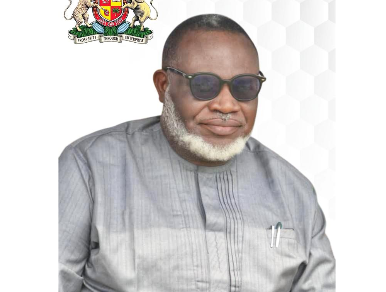
The General Manager of the Abia State Environmental Protection Agency (ASEPA), Hon. Ogbonnia Okereke, in this exclusive interview, speaks on how Governor Alex Otti’s administration transformed Abia from a refuse-ridden state into one of Nigeria’s cleanest in just three years.
He also unveils ASEPA’s zero-waste vision, including plans for waste-to-wealth conversion through partnerships with private firms.
Leadership made all the difference
The magic is leadership. Governor Alex Otti came prepared and knew exactly what he wanted to achieve. During the 2023 campaigns, our mantra was: “Abia, help is coming.” One of the major issues identified then was sanitation. Abia had gained notoriety as one of Nigeria’s dirtiest states. A special guest of Government, before we came on board, openly declared at a public function that Abia was smelling.
So , Otti made it clear from day one that the narrative had to change. At his inauguration, he declared a state of emergency on waste management in Aba and Umuahia and immediately constituted a task force, which I was privileged to lead.
Within four weeks, we evacuated over 4,000 truckloads of refuse — more than 80,000 tonnes of waste abandoned across Aba and Umuahia. At some locations, the waste heap were three to four-storey high. Beyond evacuation, we sanitised and deodorised affected areas. It was a massive operation, but the Governor provided the support and resources needed to succeed.
There were attempts to sabotage us
At the beginning, it was tough. Some opposition elements tried to frustrate the effort by discouraging truck owners from working with us and even inciting staff and workers to be uncooperative and host communities to deny us access to dump sites. But with government backing and determination, we overcame the challenges one after another. Barely a month later, the Governor appointed me substantive General Manager of ASEPA with a clear mandate: sustain the sanitation revolution and rebuild the agency.
Rebuilding ASEPA and restoring workers’ confidence
When we came into ASEPA, morale was low. Many workers felt neglected and demoralised. But we reassured them that nobody would be witch-hunted. We simply demanded commitment and discipline. We identified dedicated staff who understood waste management and utilised them. Gradually, everyone keyed into the vision because people naturally respond when they feel valued and included. Today, ASEPA has become a reference point in public sanitation, and Abia is now widely regarded as one of the three cleanest states in Nigeria.
Salary backlog cleared, operations expanded statewide
We inherited salary issues, especially among ad hoc workers, but we have cleared the backlog. Today, ASEPA has over 4,000 sanitation workers operating across the 17 local government areas from just the 2 major towns we met, in addition to over 200 civil servants handling environmental regulation and inspection.
From total waste collection of about 200,000 tonnes in 2022, last year 2025, the Agency collected over about 650,000 tonnes of waste in the state.
Our responsibilities go beyond refuse evacuation. We also monitor industrial practices and processes, environmental pollution, gaseous emissions, and other environmental hazards resulting from human and industrial activities.
Waste-to-wealth is the future
The world is moving away from traditional landfill and incineration of waste because of their long-term environmental impact. Our focus now is waste-to-wealth.
Currently, Abia has four operational plastic recycling and conversion facilities. Some are supported by the Food and Beverage Recycling Alliance (FBRA) and other external organizations .We have facilities in Umuahia and Aba converting PET bottles and plastics into reusable materials, while additional plants are planned around the Umudike axis and other locations to address plastic waste generated by students and surrounding communities.
We are also advancing plans for biogas and organic waste conversion. We recently signed an agreement with a company that will support us to drive modern waste management and convert waste into biofuel, biogas, and organic fertiliser, starting with the greater Aba area. They would also push for the carbon and plastic credits for the state, these are new sources of financial benefits derived from better waste practices. Our long-term vision is a zero-waste system where virtually all waste is recycled into useful products.
Re-equipping ASEPA
When this administration came on board, ASEPA had only six operational trucks serving Aba and Umuahia.Today, we have over 20 heavy-duty trucks and over 30 smaller collection vans operating across the state. The Governor’s support made it possible for us to retool and expand our operational fleet in Aba, Umuahia, and Abia North.
House-to-house waste collection begins in July
We have completed the pilot phase and are set to fully commence house-to-house waste collection before the middle of July. We will begin with estates and properly planned streets. Modern waste management requires scheduled collection and public cooperation.
Residents must also understand that waste management is expensive, especially with rising diesel and operational costs. People need to pay sanitation fees to sustain efficient service delivery.
Revenue target and sanitation fees
Our focus is not profit-making but sustainability. Waste management requires huge funding.
This year, ASEPA’s projected revenue target is over N4 billion, although compliance remains low. Last year, we increased internally generated revenue from less than N20 million annually to over N100 million.
Interestingly, Abia still has one of the lowest sanitation tariffs in the South-East. For instance, a room apartment pays about N3,600 yearly, while a flat pays about N12,000 annually.
No waste is waste until it is wasted.
This is the crux of Circular Economy and Zero Waste Concept which is being promoted globally. My dream is to leave behind a modern, efficient and sustainable sanitation system that Abians will be proud of. Our vision is seamless waste collection and recycling under a zero-waste agenda. Waste should never be wasted. Plastics, organic waste and other materials can all be converted into reusable products, compost and industrial materials.
Major challenge: public attitude
Our greatest challenge is getting some residents to embrace proper waste disposal habits. People still dump refuse in gutters, causing drainage blockage and flooding.
However, I must commend Aba residents. Many now see environmental cleanliness as a collective responsibility. In Aba today, residents often challenge anyone caught dumping refuse indiscriminately even before ASEPA officials arrive. Also the Catholic Diocese of Umuahia, they continually communicate the message of collaboration and support to their congregation, recently they donated 2 street sweeping machines to the Agency.
Message to Abians
Abians know where this administration met the state and where it is today. The transformation is visible in all areas; sanitation, roads, public utilities, healthcare, education, infrastructure, social systems, economic, etc.
Governor Alex Otti’s achievements speak for themselves. We must not allow anyone drag Abia back to the dark days when public resources were cornered by a few individuals. The Governor has done tremendously well, and we urge Abians to continue supporting him to sustain the progress already achieved.
The post How Otti transformed Abia from Nigeria’s dirtiest state to one of cleanest 3 in 3 yrs — ASEPA GM appeared first on Vanguard News.