5 countries that recently changed their currencies
 SKAiF NewsNG SNN
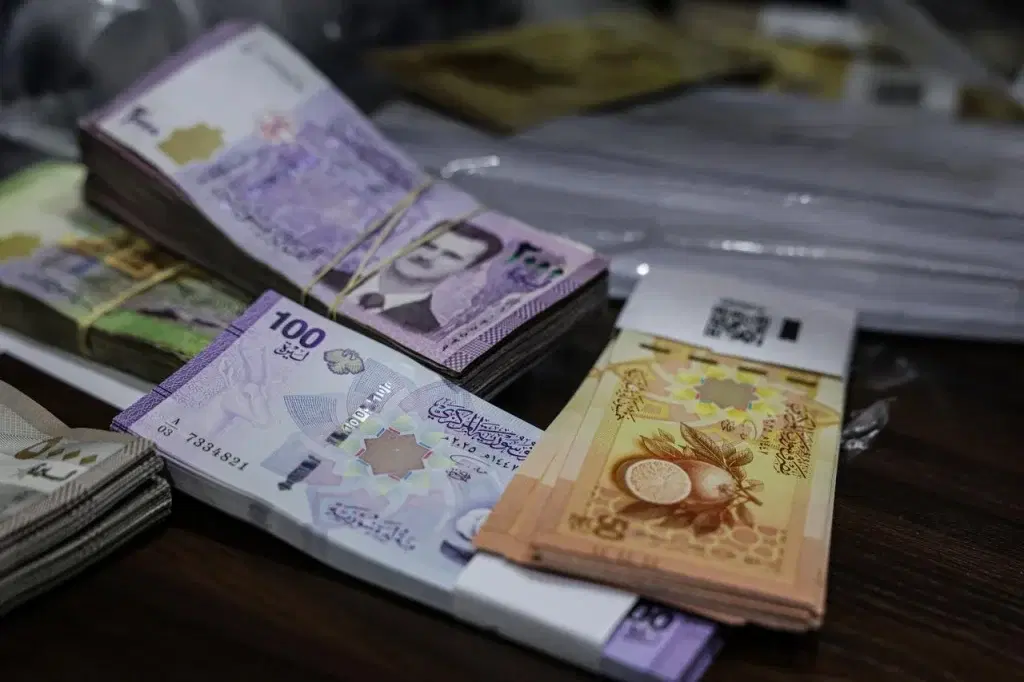
Several countries have changed, replaced or redenominated their currencies in recent years as governments sought to simplify transactions, tackle economic challenges or align their monetary systems with broader economic reforms.
Currency changes can have major effects on businesses, consumers, travelers and investors, particularly when old notes are withdrawn or large denominations are removed.
Here are five countries that have recently changed their currencies.
1. Syria
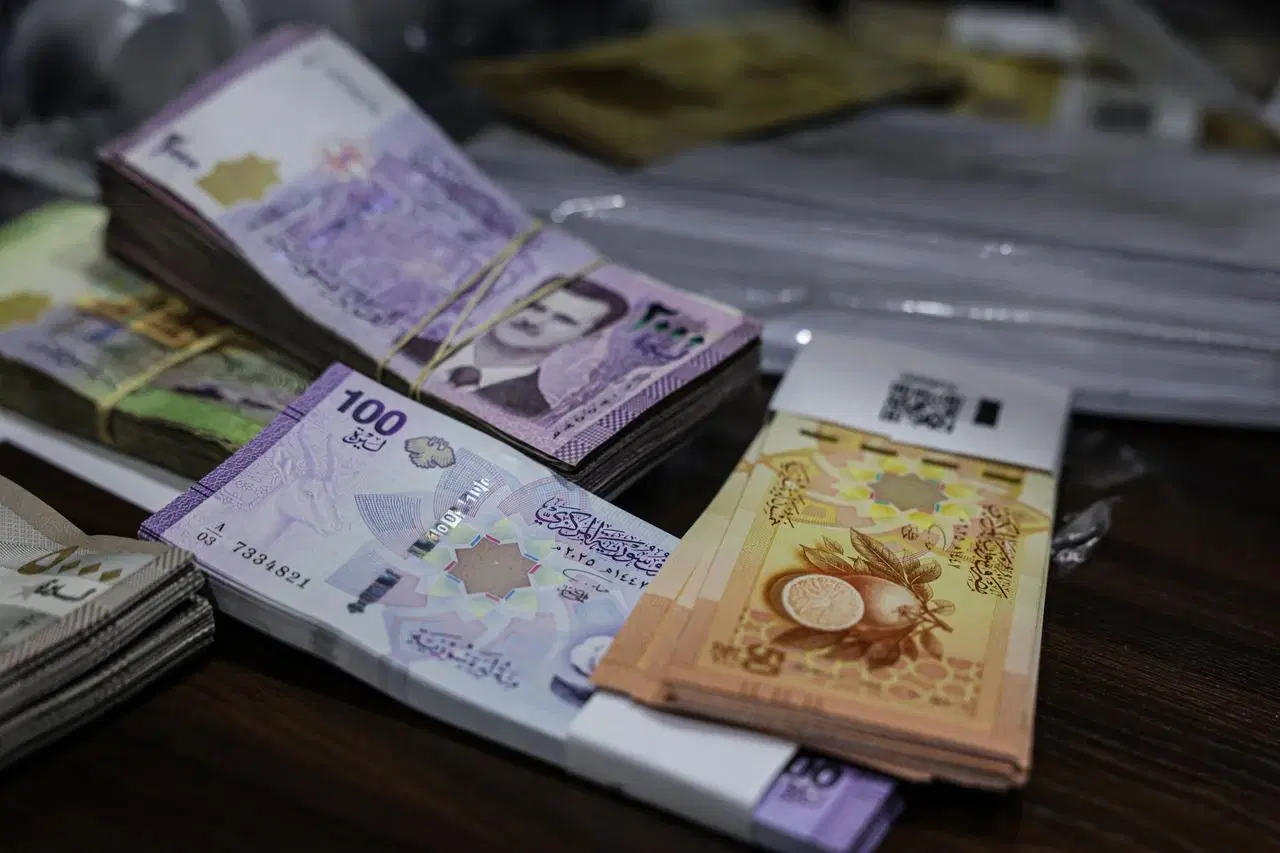
Syria introduced a new version of its national currency on January 1, 2026, as part of a major monetary reform.
The reform removed two zeros from the Syrian pound, meaning 100 old Syrian pounds became one new pound.
The new banknotes also feature redesigned imagery, replacing symbols associated with the former government with designs highlighting Syria’s agricultural and cultural heritage.
The currency reform was introduced as the country sought to simplify cash transactions and modernise its monetary system.
2. Bulgaria
Bulgaria changed its currency in January 2026, when it adopted the euro, replacing the Bulgarian lev.
The country became the 21st member of the euro area, bringing its monetary system in line with other eurozone economies.
The conversion rate was fixed at €1 to 1.95583 Bulgarian lev.
The move means that businesses and consumers in Bulgaria now conduct transactions using the euro, while the change also eliminates the need for currency conversion for trade and travel within the euro area.
3. Zimbabwe
Zimbabwe introduced a new currency known as the Zimbabwe Gold (ZiG) in April 2024, replacing the Zimbabwe dollar.
The new currency was introduced after years of economic instability and weakness in the country’s previous currency.
The ZiG is supported by a reserve basket that includes foreign-currency assets and precious metals, including gold.
The government said the currency reform was designed to improve monetary stability and restore confidence in the country’s financial system.
4. Venezuela
Venezuela introduced a new version of its currency, the digital bolívar, in October 2021.
As part of the monetary reform, the government removed six zeros from the previous bolívar.
Under the redenomination, 1 million old bolívars became 1 new bolívar.
The reform was introduced after years of severe inflation had made everyday transactions increasingly difficult and had resulted in extremely large numbers being used for prices and payments.
5. Sierra Leone
Sierra Leone also redenominated its currency in 2022, removing three zeros from the leone.
Under the reform, 1 new leone became equivalent to 1,000 old leones.
The government said the move was intended to simplify accounting, pricing and everyday financial transactions.
The redenomination did not mean that the underlying value of people’s money suddenly increased. Instead, it changed the numerical denominations used for prices and payments.
The post 5 countries that recently changed their currencies appeared first on Vanguard News.